
Leading from Stillness

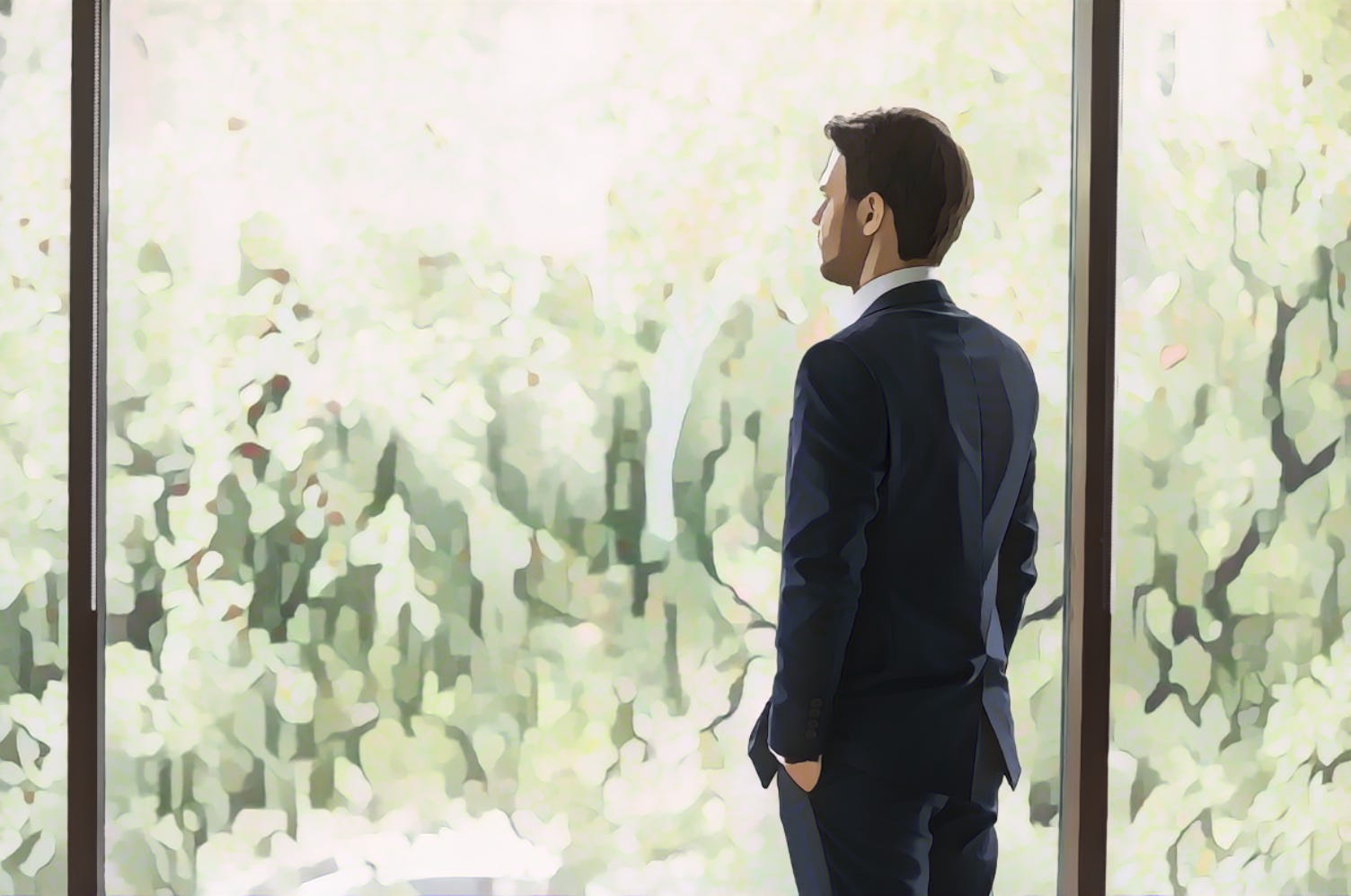
The bias toward action is ingrained in most executives, and it is often part of why they are successful. Rather than let problems develop, the executive’s impulse is usually to do something, now!
This is how many of us end up in a state of perpetual motion. There’s always another fire to put out and another decision to make. We grow so addicted to problem-solving that stillness feels like failure.
But the truth is that a bias for action, pushed to the extreme, becomes a handicap of its own. Pushing forward on the treadmill without ceasing burns us out and prevents us from reaching insights that come only in moments of stillness.
Many of the best leaders I’ve ever met are notable for their capacity to pause before making the next move, especially when it’s big and consequential. They understand that clarity comes from creating space, which feels wrong when every instinct says to keep pushing.
This pattern shows up repeatedly in leadership. An executive spends weeks wrestling with a major decision, analyzing data, modeling scenarios, convening the team over and over. Then the answer arrives during a weekend morning with coffee, or on a flight, or during a walk. The solution was there all along. The effort may have even made it harder to see.
Forcing your way to a decision often produces a worse outcome than allowing space for clarity. The harder you push, the more you narrow your field of vision.
The next time you’re facing a significant decision, try this: instead of working the problem, take a walk. Sit with the question without forcing an answer. Make time for a short meditation. Enjoy the peace of stillness. Notice what surfaces when you stop trying to solve, to act, to push.
The answer that comes from stillness is usually different from the one you would have forced. And it’s almost always better.
Until next time, Sherif
Forcing decisions doesn’t work. And yet, motion creates opportunities that stillness often doesn’t.
That said, beautifully made point!